
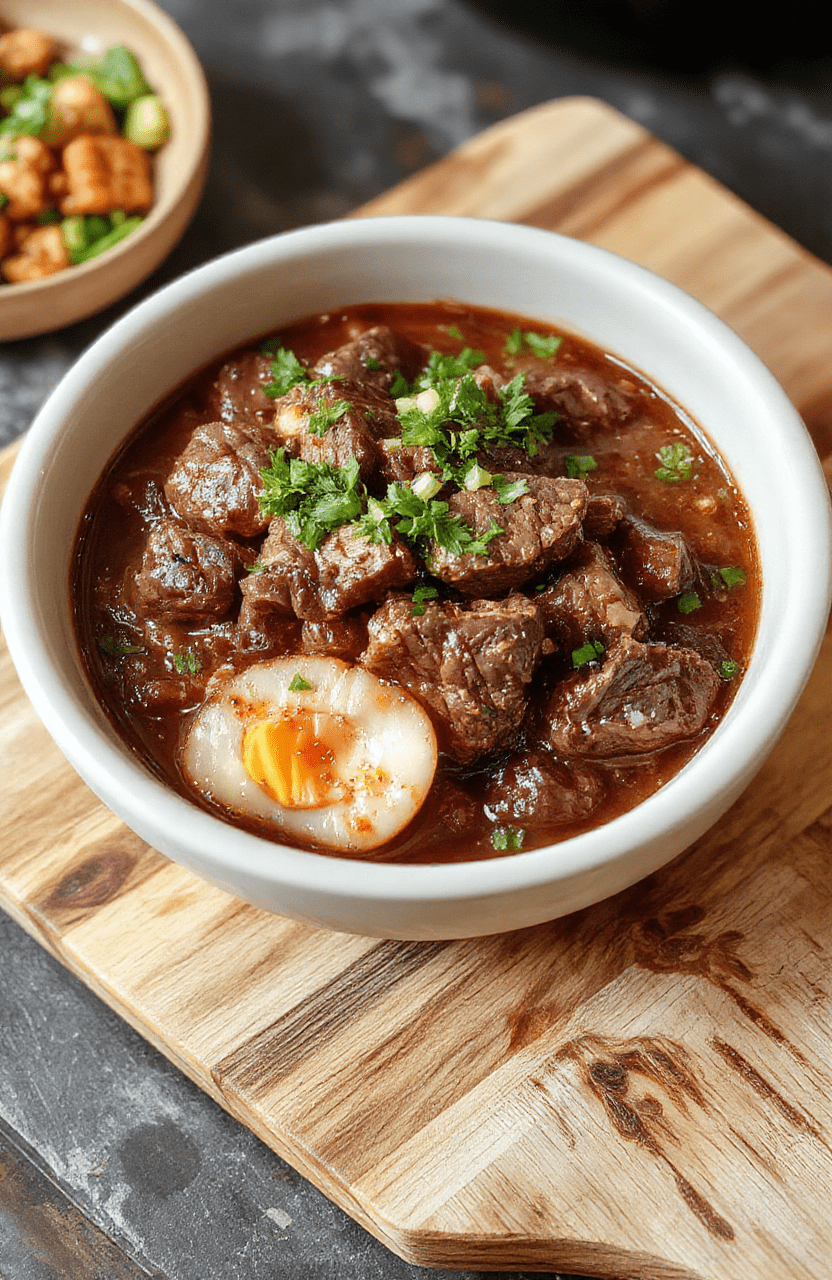
spicy, sticky, and seriously satisfying Quick Korean Beef Bowl 🥢✨ — ready in under 20 minutes with pantry staples!
1. Introduction
Craving something bold, flavorsome, and truly fast? This Korean beef bowl delivers exactly that — tender, caramelized beef strips裹 in a glossy, sweet-savory gochujang-kissed sauce, nestled over fluffy jasmine rice, and topped with vibrant crunch. Inspired by the classic bulgogi technique but simplified for weeknight reality, it’s the perfect marriage of authentic Korean taste and modern speed—no fancy tools or hard-to-find ingredients required.
Trust me: once this aromatic steam hits your nose—the combo of toasted sesame, ginger, garlic, and that deep umami backbone—you’ll know you’re in for serious dinner victory. Even if you’ve never cooked Korean food before, this recipe walks you through every step like a seasoned pro would.
2. Why You’ll Love This Recipe
- Ready in 20 minutes flat — from chop to plate, no extra waiting
- One-pan cooking — minimal cleanup, maximum flavor concentration
- Few ingredients, big impact — using what you likely already have or can grab quickly
- Highly customizable — add your favorite veggies, swap proteins, or make it spicy-sweet or savory-dominant
- Meal-prep friendly — stores beautifully for up to 4 days, tastes even better leftover
If you’ve enjoyed our High-Protein Honey BBQ Chicken Mac & Cheese or Loaded Potato Soup with Bacon and Cheese, you’ll love how this bowl delivers similar comfort and richness — but with an Asian twist that’s leaner and quicker to make!
3. Ingredient Notes
The magic of a great Korean beef bowl lies in balancing sweet, salty, savory, and a hint of heat. Here’s why each ingredient matters — and how you can upgrade it:
Fresh ginger & garlic: Never substitute these with powdered versions if you want that bright, aromatic lift. Grate them finely (or use a microplane) to ensure they caramelize evenly with the beef and avoid bitterness.
Gochujang: This fermented Korean chili paste is non-negotiable for authentic depth. Look for the red, slightly thick paste (not the sauce version). brands like Sunchang or Maesori work best — but if your local market has a limited selection, even a standard grocery brand is fine. Add a bit more if you love heat, or swap 1 tsp for honey if your gochujang is quite spicy.
Soy sauce vs. tamari: For gluten-free, always use tamari. Regular soy sauce works great otherwise — and low-sodium is your best friend here to prevent over-salting. The amino acids in soy sauce also help build that glossy, glossy glaze.
Sesame oil: Toasted sesame oil is crucial! Its nutty aroma is the final polish that pulls the whole dish together. Add it off-heat at the end — never for stir-frying, as it burns easily.
Brown sugar vs. sugar: Dark brown sugar brings molasses richness that white sugar can’t match. If you’re out, honey or maple syrup works beautifully, too — just reduce liquid slightly (about ½ tsp less soy sauce).
4. Kitchen Tools You Need
While this dish is intentionally simple (no fancy machines required), a few smart tools make it *truly* effortless — especially on busy nights:
For smaller kitchens or tight budgets, the Compact 6-in-1 Digital Air Fryer by Amazon Basics doubles as a convection oven and reheater — ideal for crisping up tofu or roasted bok choy alongside the beef.
If you love one-pan meals (like this bowl!) and want crisp, even browning every time, the Ninja Foodi Smart XL Indoor Grill & Air Fryer Combo is a game-changer. It goes from grading beef to air-crisping veggies without switching pans — and preheats in under 3 minutes!
For prep work, the Fullstar Ultimate Veggie Prep Master makes shredding ginger, mincing garlic, and julienning bell peppers a snap — great for keeping your beef thin and tender.
And when dinner’s done, store it all in airtight style with the JoyJolt Airtight Glass Food Storage Set — BPA-free, microwave-safe, and stackable so your fridge stays tidy. Bonus: they’re perfect for packing lunches ahead!
5. How to Make Quick Korean Beef Bowl
Phase 1: Prep & Marinate (5 minutes)
Thinly slice 1 lb flank steak or ribeye against the grain (this ensures tenderness — freeze the meat for 20 minutes first to slice easier). In a bowl, whisk together:
- 3 tbsp soy sauce
- 2 tbsp brown sugar
- 1 tbsp gochujang
- 1 tbsp sesame oil
- 2 cloves garlic, minced
- 1 tsp fresh ginger, grated
- 1 tsp rice vinegar or citrus juice
- ½ tsp black pepper
Combine beef and marinade — toss until fully coated. Let sit for just 10 minutes (or up to 30 minutes for deeper flavor).
Phase 2: Sear & Glaze (7–8 minutes)
Heat 1 tbsp avocado or vegetable oil in a large skillet (or wok) over medium-high heat until shimmering. Add beef in a single layer — don’t overcrowd (work in 2 batches if needed). Sear 1–2 minutes per side until deeply browned but still slightly pink inside — it’ll finish cooking later.
Remove beef, then return pan to heat. Add 1 tbsp oil and sauté 1 cup sliced mushrooms and 1 thinly sliced bell pepper (optional — add later if prepping fast). Then return beef and any accumulated juices to the pan.
Key visual cue: The sauce should reduce and coat the beef in a glossy, syrupy glaze — no pooling liquid, but not dry either. Give it a gentle stir for 1–2 more minutes to lock in flavor.
Phase 3: Finishing Touches (1 minute)
Off heat, stir in 1 tsp toasted sesame seeds and thinly sliced green onions. Taste — if it needs brightness, squeeze in ½ tsp lemon juice. Divide warm jasmine rice among bowls, top with beef, and garnish with extra scallions, radish slices, or pickled jalapeños for tang.
Pro tip: Crack a perfectly soft-boiled egg (6 minutes in boiling water) on top — the runny yolk *makes* this bowl.
6. Expert Tips for Success
Don’t skip these — they’re the difference between “good” and “utterly unforgettable”:
1. Freeze the beef 20 minutes before slicing — it’s game-changing for clean, thin cuts. If you slice frozen meat too thin while soft, it shreds instead of searing cleanly.
2. Dry the beef before marinating — pat it with paper towels. Wet meat steams instead of sears.
3. Use high heat — the skillet must be screaming hot before adding beef. You want a deep crust, not steamed slices.
4. Finish with fat-and-acid balance — toasted sesame oil and rice vinegar are secret weapons. If you skip the acid, the dish can taste flat.
5. Rest the beef 2 minutes before serving — this lets juices redistribute for maximum tenderness.
7. Variations & Substitutions
Vegetarian/Vegan: Swap beef for extra-firm tofu (pressed & cubed) or king oyster mushrooms (sliced ½” thick). Marinate and sear the same way — they absorb flavor beautifully.
Low-carb/Keto: Replace rice with cauliflower rice or zucchini noodles. Add a drizzle of sriracha mayo for richness.
Spicier version: Stir in ½ tsp gochugaru (Korean chili flakes) with the gochujang, or top with chili crisp (like Lao San Dan). For heat lovers, a dash of Sichuan chili oil adds tingling warmth.
Vegetable boost: Stir in baby spinach or bok choy right off heat — it wilts instantly and adds texture. Or add crispy roasted broccoli florets for crunch.
Gluten-free option: Use tamari instead of soy sauce — and double-check your gochujang (some brands contain wheat).
8. Storage & Reheating
Store beef (sans rice) in an airtight container in the fridge for up to 4 days. For best texture, reheat in a skillet over medium heat with a splash of water or broth — helps revive that glossy sauce.
Avoid the microwave: It turns rice gummy and overcooks the beef into chewiness. If you must use a microwave, cover with a damp paper towel and heat in 30-second bursts.
Freeze beef in portions for up to 2 months. Thaw overnight in the fridge before reheating.
9. FAQ
Q: Can I use ground beef instead of sliced?
A: Absolutely! Brown 1 lb lean ground beef ( drain well), then add to the sauce. It’ll mimic a Korean-style bolognese — great for pasta, too. Drain fat before adding marinade to avoid splitting.
Q: My sauce was too sweet — what went wrong?
A: Gochujang brands vary wildly in sugar content. Taste before adding sugar; you may only need 1 tbsp. Also, reduce soy sauce to 2 tbsp next time — it adds saltiness that offsets sweetness.
Q: What if I don’t have gochujang?
A: No substitutes are *perfect*, but try: 1 tbsp chili garlic sauce + ½ tbsp miso paste + ¼ tsp smoked paprika. Add a pinch of sugar to mimic fermentation — not identical, but warmly savory.
Q: How do I keep rice from getting soggy?
A: Serve beef on the side or spoon it over rice at the last minute. If meal-prepping, keep sauce separate and add just before eating.
10. Conclusion
There you have it — a deeply flavorful, fast, and foolproof Quick Korean Beef Bowl that feels like takeout magic, but is 100% you. With minimal prep, maximum flavor, and room to personalize, it’s the kind of dinner that makes everyone at the table pause mid-bite and say, “Wait… *you* made this?!”
Pair it with a simple cucumber salad or your favorite kimchi for the full experience — and if you try it, be sure to tag us on social or leave a comment below. We love hearing how you make it your own! 🍚💥
Print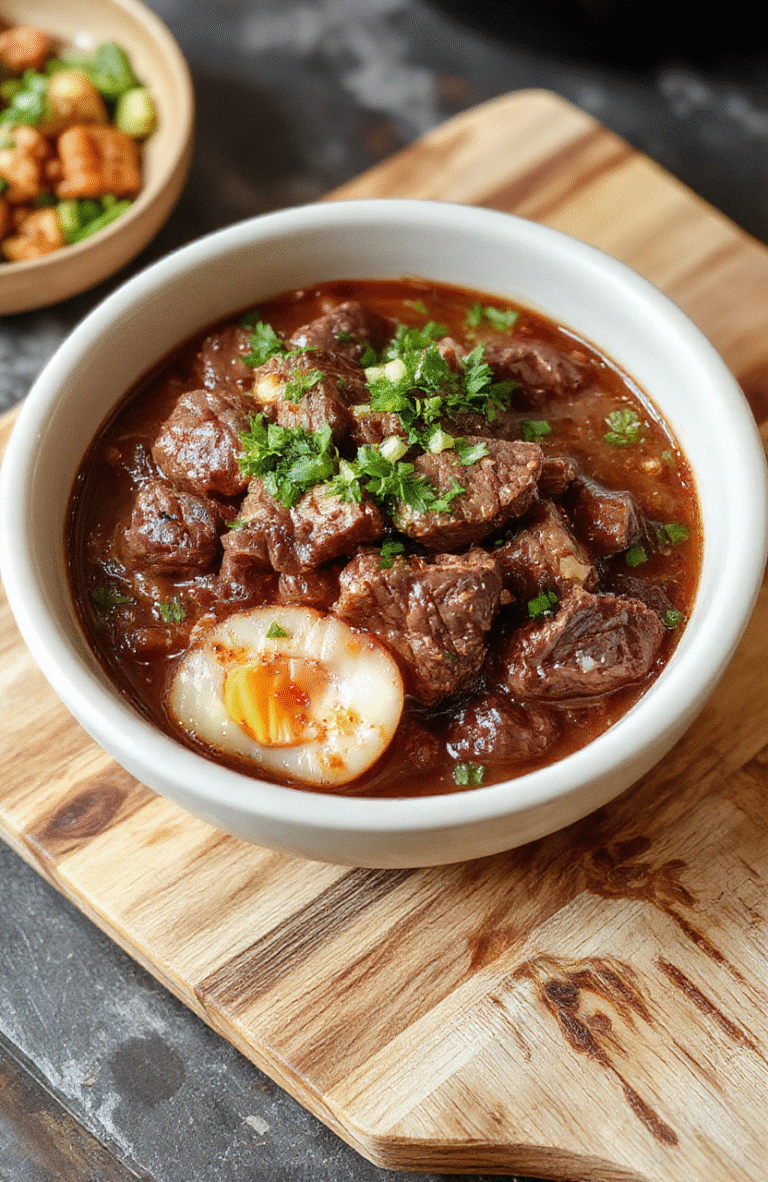
Quick Korean Beef Bowl
A fast, flavorful Korean-inspired bowl with savory-sweet beef over rice — ready in under 20 minutes!
- Total Time: 20 minutes
- Yield: 4 servings
Ingredients
- 1 lb (450g) flank steak, sliced thin against the grain
- 2 cups cooked jasmine rice
- 2 tbsp vegetable oil
- 3 tbsp soy sauce
- 2 tbsp gochujang (Korean chili paste)
- 1 tbsp honey or brown sugar
- 1 tbsp sesame oil
- 2 garlic cloves, minced
- 1 tsp ginger, grated
- 1/2 tsp black pepper
- 2 green onions, sliced
- 1 tbsp toasted sesame seeds
- Pickled radishes (optional)
Instructions
- Combine soy sauce, gochujang, honey, sesame oil, garlic, ginger, and black pepper in a bowl; set aside.
- Heat oil in a large skillet or wok over medium-high heat. Add beef and stir-fry 2–3 minutes until browned but not overcooked.
- Pour sauce over beef and cook 1–2 minutes more, stirring until glossy和 coated.
- Serve beef over rice, garnished with green onions, sesame seeds, and pickled radishes.
Notes
- For best results, thinly slice beef partially frozen for easier cutting.
- Can substitute ground beef (cook & drain first) if preferred.
- Make it gluten-free using tamari instead of soy sauce.
- Prep Time: 10 minutes
- Cook Time: 10 minutes
- Method: Stir-fry
- Cuisine: Korean
- Diet: High Protein
Nutrition
- Serving Size: 1 bowl (without rice)
- Calories: 320 Kcal
- Sugar: 8g
- Sodium: 780mg
- Fat: 14g
- Saturated Fat: 4g
- Unsaturated Fat: 8g
- Trans Fat: 0g
- Carbohydrates: 18g
- Fiber: 1g
- Protein: 32g
- Cholesterol: 85mg