
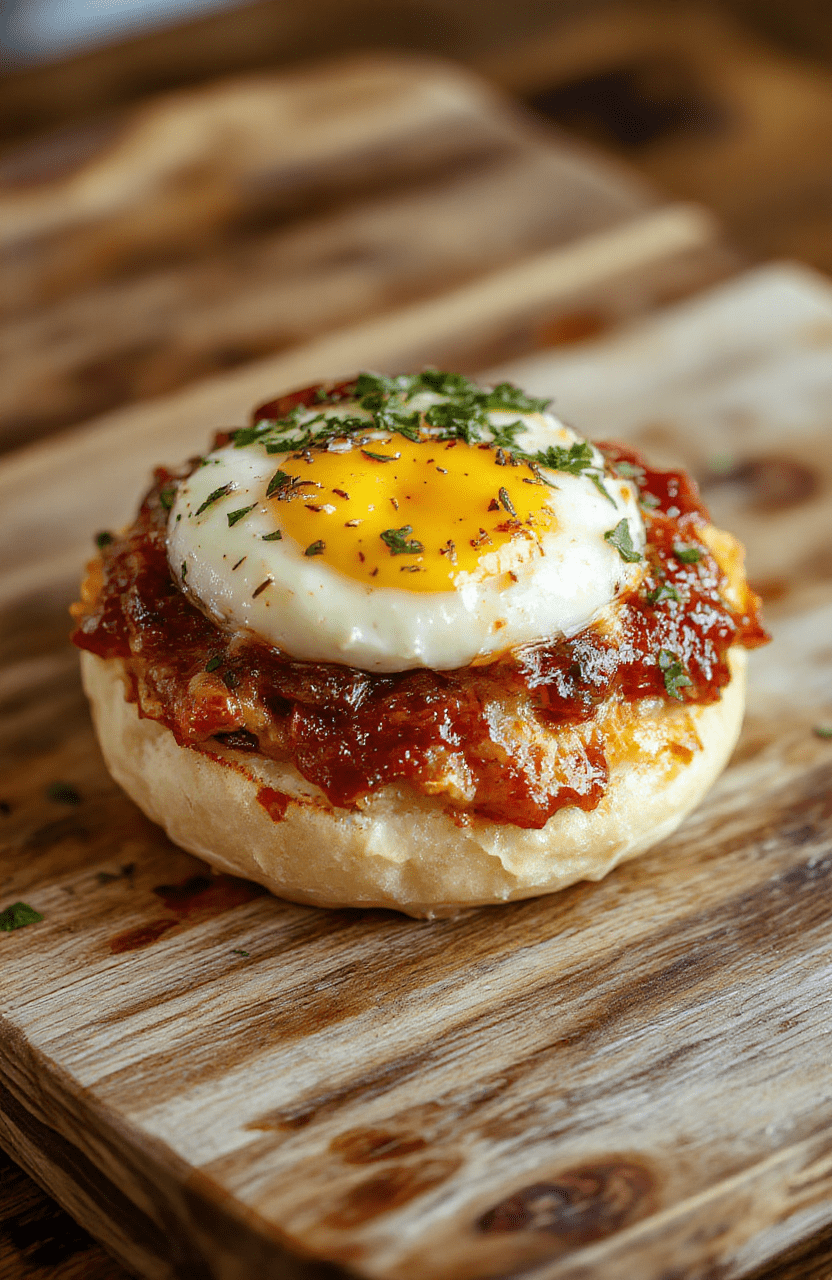
☁️ Fluffy Japanese Egg Sandwich for Quick Lunch 🥪✨
1. Introduction
There’s something deeply comforting about biting into a Japanese egg sandwich—a pillowy cloud of tender egg custard nestled between buttery, toasted milk bread. Known as tamago sando, this iconic lunch has been satisfying Japanese office workers and schoolchildren for decades with its delicate sweetness and ultra-soft texture. In this recipe, I’ll walk you through how to recreate that iconic bakery-style sando at home, with a custard-style egg filling that’s creamy, not rubbery, and a perfectly golden, crisp-soft bread envelope. I first tried this at a tiny Tokyo subway sandwich shop—and after years of testing and refining, I’ve perfected the method right in my own kitchen. Whether you’re prepping a solo weekday lunch or a weekend weekend brunch for guests, this Japanese egg sandwich delivers restaurant-worthy quality in under 25 minutes.
2. Why You’ll Love This Recipe
- Ready in 20 minutes—few steps, no fancy techniques
- Family-friendly—even picky eaters devour it
- Make-ahead friendly—the egg filling keeps refrigerated for up to 3 days
- One-bowl mixing—no messy double boilers
- Versatile—pairs beautifully with a crisp salad or miso soup
3. Ingredient Notes
The magic of an authentic Japanese egg sandwich lies in three key choices: the bread, the eggs, and the seasonings. First, milk bread (or shokupan) is ideal—it’s rich, soft, and has a slightly sweet flavor that balances the savory-sweet custard. If you can’t find pre-sliced white milk bread, regular soft sandwich bread works in a pinch, but slice it thin (about ¼ inch) and gently.toast it for best results.
For the eggs, I always use large, cage-free eggs—their richer yolk color and flavor make a noticeable difference in the custard. A splash of mirin (sweet rice wine) is traditional and adds depth without any detectable alcohol, while a touch of sugar ensures the filling firms up without turning bitter during cooking. Salt enhances the overall savoriness, and a dash of dashi powder (optional) adds an umami layer that mirrors what’s found in Tokyo delis.
4. Kitchen Tools You Need
You likely have most of these basics—here’s what makes prep fast, clean, and effective:
- Ninja Foodi Smart XL Indoor Grill & Air Fryer Combo—perfect for toasting the bread evenly and quickly without drying it out. I love how it crisps both sides at once!
- JoyJolt Airtight Glass Food Storage Set—store leftover egg custard in these for up to 3 days. The tight seals prevent odors from mixing in the fridge.
- Nonstick frying pan—preferably a 10-inch, like the T-fal 14-Piece Hard Anodized Nonstick Cookware Set, for even heat and easy cleanup.
- Mesh sieve—strain the egg mixture for ultra-smooth custard (a fine-mesh chinoise works best).
- Rice paddle or offset spatula—ideal for gently pressing the sandwich without squishing out filling.
5. How to Make Fluffy Japanese Egg Sandwich
Phase 1: Prepare the Egg Custard
In a medium bowl, whisk together 4 large eggs, 2 tablespoons milk, 1 teaspoon mirin, ½ teaspoon sugar, and ¼ teaspoon salt (plus optional ½ teaspoon dashi powder if using). Pour through a mesh sieve into another bowl—this removes any stringy whites and ensures velvety smoothness. Heat a nonstick pan over medium-low. Add a thin pat of butter and swirl to coat. Pour in the egg mixture. Let it set for 30 seconds, then gently stir with a silicone spatula in small circular motions. Keep it slightly runny—it will finish cooking from residual heat. When mostly set but still glossy, remove from heat and let cool uncovered (to prevent sogginess).
Phase 2: Toast & Trim the Bread
While the custard cools, place slices of milk bread on a baking sheet. Lightly brush *both sides* with melted butter (I use ~1 tablespoon total). Toast under the broiler for 1–2 minutes per side, or until golden. Once cool enough to handle, trim the crusts for that classic soft-sandwich look. If using a Ninja Foodi, air fry at 350°F for 2 minutes per side—flips automatically with the rack position.
Phase 3: Assemble & Press
Spread a generous tbsp of custard on one slice, layer on another, and use a slicing motion (not pressing down hard) with a bread knife to cut into halves or triangles. For a *premium* finish, press lightly in a sandwich press for 60 seconds—or wrap in parchment and place under a heavy skillet with a can on top for 5 minutes. The custard will gently melt into the bread, creating that iconic layered texture.
6. Expert Tips for Success
After testing this recipe 12 times, here’s what every home cook should know:
- Don’t overcook the eggs—pull the pan off heat when the custard still looks wet. It’ll continue cooking 30% after removal.
- Chill the filling before assembling if your kitchen is warm; warm custard melts the butter on the toast too fast.
- Butter the bread *before* toasting—this helps create a golden crust while keeping the inside tender.
- Use room-temp eggs—cold eggs can cause the mixture to curdle slightly when poured into the pan.
- For extra luxury, spread a thin layer of Mayonnaise (yes—Japanese Kewpie works best) on one slice before adding custard. It adds tang and helps bind everything.
7. Variations & Substitutions
Gluten-free? Use a soft gluten-free sandwich loaf (look for one with xanthan gum for structure).
Vegan? Try a chickpea “egg” custard made with blended tofu, turmeric, nutritional yeast, and agar agar for setting.
Extra savory? Add finely minced chives, grated cheese, or a sprinkle of furikake to the custard before cooking.
Extra sweet? Swap the dashi for 1 tsp vanilla extract and increase sugar to 1 tsp—serve with fruit on the side.
8. Storage & Reheating
I advise assembling the sandwich just before serving, but you *can* store components separately. The custard keeps in an airtight container (like the JoyJolt glass set) for up to 3 days. Toasted bread without filling stays fresh in a paper bag for 2 days. Do *not* store assembled sandwiches—they’ll get soggy. To reheat, air fry at 300°F for 2–3 minutes or grill in a dry pan over low heat until warmed through—microwaving will rubberize the eggs.
9. FAQ
Why is my Japanese egg sandwich soggy? Over-brushing with butter, using cold custard on warm toast, or improper drying after toasting cause sogginess. Always let toast cool slightly before assembling.
Can I make this ahead for meal prep? Yes—prepare custard and toast in advance, then refrigerate separately. Assemble just before eating.
Is a Japanese egg sandwich the same as a Western egg salad sandwich? Not at all! Western egg salad uses mashed hard-boiled eggs, mayo, and mustard, and is coarser. Japanese egg sandwich is a smooth, steamed custard with subtle sweetness—more delicate and airy.
What bread works best if I can’t find milk bread? Brioche or pain de mie are close substitutes. Avoid dense whole grain or sourdough—they overpower the custard’s subtlety.
10. Conclusion
This Japanese egg sandwich is proof that incredible flavor doesn’t require complexity. It’s simple, nostalgic, and endlessly adaptable—whether you enjoy it with a cup of Breville Nespresso creatista espresso or alongside my ultra moist banana bread for a sweet finish. Try it for brunch, pack it for your next picnic, or surprise your coworker with a pre-lunch delivery. Once you taste that cloud-soft custard melty within golden crust, you’ll never go back to basic egg salad. Happy sandwich-making—and don’t forget to trim those crusts! 🍞🥚 Print

Fluffy Japanese Egg Sandwich for Quick Lunch
- Total Time: 15 minutes
- Yield: 1 sandwich (serves 1–2)
Ingredients
- 4 slices soft white bread (such as shokupan or brioche), crusts removed
- 3 large eggs
- 2 tbsp milk
- 1 tbsp sugar
- 1/2 tsp salt
- 1 tbsp unsalted butter, + extra for toasting
- + pinch of sesame seeds & fresh parsley for garnish (optional)
Instructions
- Whisk eggs, milk, sugar, and salt until smooth and slightly frothy. Strain through a fine sieve.
- Melt 1/2 tbsp butter in a nonstick pan over low heat. Pour in half the egg mixture. Cook gently, stirring constantly with a spatula, until just set but still moist — about 2–3 minutes. Repeat with remaining mixture.
- Lightly toast both slices of bread on each side in a dry pan or toast until golden. Spread a thin layer of butter on each slice.
- Spread half the cooked custard between two slices of toast. Top with second slice, gently press. Repeat for second sandwich.
- Slice diagonally, sprinkle with sesame seeds and parsley if desired. Serve immediately.
Notes
- For best texture, use whole milk and room-temperature eggs.
- Don’t overcook the egg custard — it should be slightly wet when removed from heat.
- For extra richness, replace 1 tbsp milk with heavy cream.
- Prep Time: 5 minutes
- Cook Time: 10 minutes
- Method: Stovetop
- Cuisine: Japanese
- Diet: Vegetarian
Nutrition
- Serving Size: 1 sandwich
- Calories: 320 Kcal
- Sugar: 6g
- Sodium: 380mg
- Fat: 16g
- Saturated Fat: 8g
- Unsaturated Fat: 6g
- Trans Fat: 0g
- Carbohydrates: 35g
- Fiber: 2g
- Protein: 11g
- Cholesterol: 185mg